The Complete Patient Guide to Dental Crowns in Oxnard CA
@knoxshho744

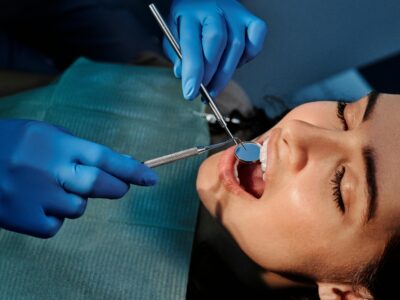
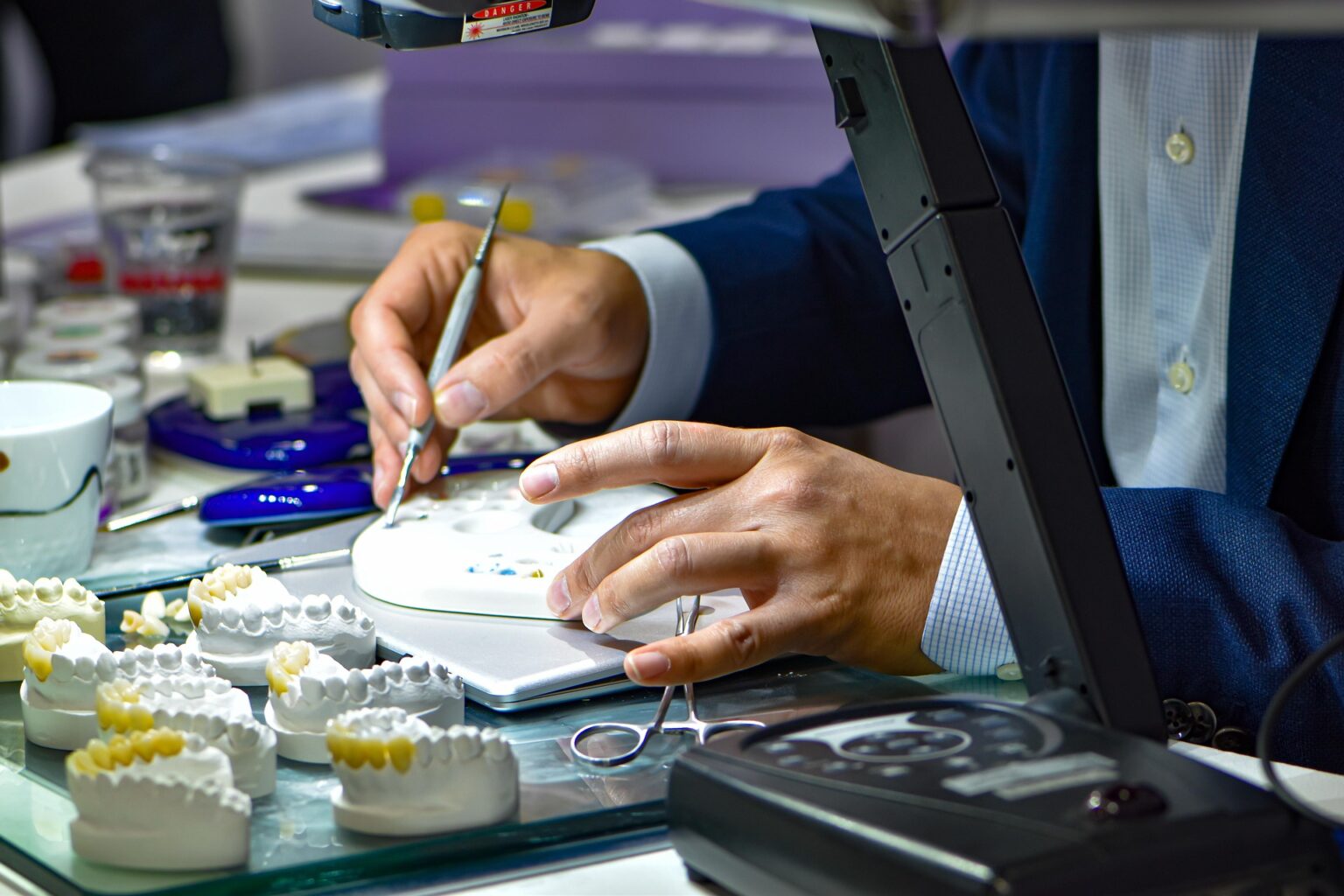
A dental crown is one of those treatments that sounds simple until you actually need one. Patients often hear the word and picture a cap placed over a tooth, which is technically true, but it leaves out the part that matters most: a crown is usually recommended when a tooth needs real structural help, not just a cosmetic touch-up. In practice, crowns sit at the intersection of function, appearance, comfort, and long-term planning.
If you are researching Dental Crowns Oxnard CA, chances are you are dealing with a cracked tooth, a large old filling, a root canal, or a front tooth that has weakened over time. You may also be trying to compare materials, understand cost, or decide whether a crown is urgent or something that can wait a few months. Those are reasonable questions, and the right answer depends on the condition of the tooth, your bite, your budget, and how long you want the restoration to last.
Crowns are common, but they should never be treated as generic. A crown on a back molar does a very different job than a crown on a front tooth. A patient who grinds at night needs a different conversation than someone who chipped a tooth in a one-time accident. Even the local rhythm of life matters. In a place like Oxnard, where many people split time between work, family, outdoor activity, and commuting, practicality counts. Patients often want to know not just what looks good, but what will hold up.
What a dental crown actually does
A crown covers the visible portion of a tooth above the gumline. Its job is to restore shape, strength, and function after a tooth has been damaged or compromised. It is not a bandage. Once a tooth is prepared for a crown, the restoration becomes part of the long-term plan for keeping that tooth serviceable.
Think about a molar with a large filling that has been in place for fifteen years. The filling may still be there, but the surrounding tooth walls can become thin and prone to fracture. Omni Dental Specialty Dental Crowns Oxnard CA Or picture a tooth after root canal treatment. The infection may be gone, but the tooth itself is often more brittle than before. In both cases, a crown helps distribute biting forces more evenly and reduces the chance of a catastrophic break.
On front teeth, the purpose can be different. A crown may be used to rebuild a tooth that was fractured in a fall, severely worn, or discolored beyond what whitening or bonding can improve. In those cases, appearance matters more, but strength still matters. A good crown should not look like a separate object sitting on a tooth. It should blend with the smile and feel natural during speech and chewing.
When a crown is usually recommended
Not every damaged tooth needs a crown, and not every crown candidate should wait. Good treatment planning starts with understanding whether the tooth can be preserved with a filling, inlay, onlay, veneer, or another conservative option. Crowns are most appropriate when the remaining tooth structure is no longer strong enough to stand on its own.
Common situations include the following:
- A tooth has a very large cavity or an old filling that has undermined the remaining enamel.
- A tooth is cracked, fractured, or significantly worn down.
- A tooth has had root canal therapy and needs reinforcement.
- A tooth is misshapen or heavily discolored and cannot be predictably restored with a smaller treatment.
- A dental implant needs a final restoration, which is often called an implant crown.
There are gray areas. A tooth with a moderate fracture line may be monitored if symptoms are mild and the crack is shallow. A tooth with a large filling but thick surrounding walls may be suitable for an onlay instead of a full crown. The decision should not be based on habit or speed. It should be based on how much healthy tooth remains and how the tooth functions in your bite.
Signs that should not be ignored
Patients sometimes delay treatment because the tooth only hurts "once in a while." That can be misleading. Teeth do not always Dental Crowns Oxnard CA give dramatic warnings before a bigger fracture occurs. A back tooth may feel fine until the day a cusp breaks off while chewing something ordinary, like toast or grilled chicken.
You should schedule an evaluation promptly if you notice pain when biting, sharp sensitivity to cold, food getting packed around one tooth, a visible crack line, swelling near the gum, or a filling that feels loose. Even a rough edge on a tooth can matter. What starts as a small defect can turn into a situation where the tooth becomes unrestorable, especially if the crack extends below the gumline.
One pattern that comes up often in practice is the patient who has been chewing on the other side for months without realizing it. They adapt slowly, then suddenly find themselves with jaw soreness, headaches, or a broken tooth on the "good" side from overloading it. Crowns are not only about fixing a single tooth. They often help rebalance the way the whole bite is working.
The difference between crown materials
Material choice matters more than many patients realize. The best crown is not simply the strongest one or the prettiest one. It is the one that suits the tooth, the bite, the esthetic demands, and the amount of available tooth structure.
All-ceramic crowns are popular because they can look very natural, especially on front teeth and premolars. They reflect light more like enamel than older metal-based options. Many modern ceramics are also quite strong, but they still need thoughtful planning. A patient with heavy clenching forces may need a different ceramic or a different design than someone with a lighter bite.
Porcelain-fused-to-metal crowns have been used for decades. They combine a metal substructure with a porcelain exterior. They can work well, particularly in areas where strength is a concern, though esthetics may be less lifelike than high-quality all-ceramic restorations. In some cases, a dark line near the gum can develop over time, especially if the gums recede.
Full metal crowns, often made from gold alloy or similar materials, remain one of the most durable choices for far-back molars. They are kinder to opposing teeth, require less removal of natural tooth in many cases, and can last a very long time. Their drawback is obvious: most people do not want a visible metal crown in a noticeable area.
Zirconia crowns have become common because they offer a useful balance of strength and appearance. They are often chosen for back teeth and for patients who grind. Not all zirconia crowns are the same, though. Some prioritize toughness, while others prioritize translucency and esthetics. A dentist should be able to explain why a particular type is being recommended for your situation.
What the crown process usually looks like
The process is usually straightforward, though there are important details that affect comfort and the final result. At the first visit, the tooth is examined clinically and with X-rays to determine whether it can support a crown and whether the nerve is healthy. If the tooth has deep decay, a crack, or signs of infection, that may change the treatment plan.
The tooth is then numbed and shaped so the crown can fit properly. This step removes compromised tooth structure and creates room for the crown material. Impressions or digital scans are taken, along with records of your bite and shade if the crown will be visible when you smile. A temporary crown is typically placed while the final crown is fabricated.
Temporary crowns deserve more respect than they get. They are not as strong or precise as the final version, but they serve important purposes. They protect the prepared tooth, maintain spacing, and let you test basic comfort. If a temporary crown feels too high when you bite, speak up. That information can help refine the final result.
At the delivery appointment, the temporary is removed, the final crown is tried in, and the fit, contacts, shade, and bite are checked. Once everything looks and feels right, the crown is cemented or bonded into place. Some offices also offer same-day crowns using in-office technology, which can reduce the process to a single longer visit. Same-day can be convenient, but not every case is best handled that way. Complex esthetic work and certain bite situations may still benefit from a skilled dental lab and a more layered approach.
How long a crown should last
A realistic answer is that many crowns last somewhere between 10 and 15 years, and some last much longer. Others fail sooner. Longevity depends on the quality of the tooth underneath, the material used, oral hygiene, bite forces, and whether the patient has habits like clenching, chewing ice, or using teeth to open packaging.
The crown itself is not the only variable. A beautifully made crown can still fail if decay develops at the margin, if the tooth cracks below the crown, or if gum disease causes supporting bone loss. This is why patients are often surprised to hear that flossing around crowned teeth is just as important, sometimes more important, than flossing around untouched teeth.
I have seen patients keep posterior crowns in service for two decades with excellent home care and regular maintenance. I have also seen newer crowns fail because the original problem was not fully addressed. A crown placed on a severely cracked tooth may buy time but not guarantee permanence. A crown on a patient with untreated nighttime grinding may chip or loosen earlier than expected. Durability is partly about the crown and partly about the environment it lives in.
Cost, insurance, and what affects the price
Cost is one of the first questions patients ask, and understandably so. Fees vary by office, material, complexity, and whether additional treatment is needed first. A crown on a straightforward tooth is not priced the same as a crown that requires buildup, root canal therapy, gum contouring, or replacement of a failing restoration with hidden decay underneath.
In many areas, including practices serving patients looking for Dental Crowns Oxnard CA, a single crown may fall within a broad range of several hundred to over a couple thousand dollars depending on the circumstances. Insurance may cover a portion if the treatment is considered medically necessary to restore a damaged tooth, but deductibles, annual maximums, waiting periods, and material limitations often apply. Some plans reimburse based on the fee for a basic crown even if you choose a more esthetic material.
It is worth asking the office to break down the estimate. Patients sometimes think they are comparing crown fees between two offices when they are actually comparing very different treatment plans. One estimate may include the buildup, digital imaging, temporary crown, and final cementation. Another may not. Clarity matters.
A few questions worth asking before you commit
A short conversation before treatment can prevent frustration later. If you are deciding whether to move forward with a crown, these are the questions that often lead to the most useful answers:
- How much healthy tooth structure is left, and are there alternatives to a full crown?
- What material do you recommend for this specific tooth, and why?
- Is there any sign that I may need a root canal now or in the future?
- Will I need a night guard if I clench or grind?
- What symptoms after treatment would be normal, and what would be a reason to call the office?
The best treatment discussions are specific. General answers are less helpful than hearing, "Your lower first molar takes heavy force, the filling is already larger than half the biting surface, and the lingual cusp has a crack, so I would not trust another large filling here."
Recovery and adjustment after the crown is placed
Most patients do well after crown placement, but some tenderness is normal. The gum around the tooth may feel sore for a day or two, especially if the preparation extended close to the gumline. Mild temperature sensitivity can also happen, particularly if the tooth had a deep filling beforehand.
What is not normal is persistent pain on biting, a bite that feels "off" after a couple of days, or a floss contact so tight that the floss shreds and sticks every time. Those issues can often be adjusted, and early correction is much easier than living with months of irritation. If a crown feels high, even slightly, it can inflame the ligament around the tooth and make chewing uncomfortable.
Patients with a history of clenching sometimes report that a new crown "feels too big" even when the fit is objectively correct. Sometimes that sensation settles as the tongue and bite adapt. Sometimes it reveals a real interference that needs refining. This is where follow-up matters. Good crown dentistry does not end the moment the cement sets.
Special situations that change the plan
Some cases are routine. Others are not. If the crack extends below the gumline, the tooth may require crown lengthening, orthodontic extrusion, or extraction instead of a conventional crown. If decay reaches too far under the bone, the tooth may not be restorable. A crown cannot fix every structural problem.
Young patients present another nuance. Teeth with very large pulps can become irritated after aggressive preparation, so preserving tooth structure is especially important. Older patients may have recession, exposed root surfaces, or brittle enamel margins that make bonding and sealing more technique-sensitive.
Patients with dry mouth deserve special attention as well. Reduced saliva, whether from medications, medical conditions, or cancer therapy, significantly raises the risk of recurrent decay around crowns. In those cases, the discussion should include fluoride strategies, diet counseling, more frequent maintenance, and realistic expectations.
Then there is the patient who grinds. Bruxism changes everything. Material selection, thickness, bite design, and protective appliances all become more important. A crown can be done well and still fail prematurely if the grinding habit is severe and unmanaged.
Crowns on front teeth need a different conversation
Front tooth crowns are often the most emotionally loaded cases. The issue is rarely just function. Patients notice every detail, including color, shape, reflection, and the way the tooth looks in sunlight versus indoor lighting. A front crown that is technically acceptable can still feel disappointing if it does not harmonize with the neighboring teeth.
Shade matching is part science and part art. It helps when photos are taken, when the ceramist has detailed instructions, and when the patient understands that natural teeth are not flat white. They have depth, translucency, texture, and tiny asymmetries. The goal is usually not perfection in isolation. It is believability within the smile.
If you need a visible crown and care deeply about appearance, ask whether a custom lab case would offer advantages over a same-day milled crown. In some situations, especially for a single central incisor, that extra layer of craftsmanship is well worth it.
How to take care of a crowned tooth
Once your crown is in place, treat it like a real part of your mouth, because that is what it has become. Brush thoroughly along the gumline. Floss every day, making sure the floss slides against the side of the crown rather than snapping hard on the gum. Keep regular cleanings and exams so small margin issues can be caught early.
Be sensible about what you chew. A crown should let you eat normally, but that does not make teeth indestructible. Biting hard objects, chewing ice, tearing open packages, and ignoring a clenching habit can shorten the life of both crowned and uncrowned teeth. If your dentist recommends a night guard, take that recommendation seriously. For many patients, it is the difference between a crown that lasts and a crown that fractures.
Choosing a dentist for Dental Crowns Oxnard CA
Patients sometimes focus so much on the crown itself that they forget to evaluate the process around it. A well-done crown depends on careful diagnosis, clear communication, thoughtful preparation, accurate records, and attention to bite. The final restoration matters, but so does everything that leads up to it.
When comparing dentists, look for an office that explains why the crown is needed, what alternatives exist, and what the risks are if you delay. You want a clinician who talks in specifics, not sales language. Ask how they handle bite adjustments, temporaries, lab communication, and follow-up if the crown does not feel right. Crowns are routine dentistry, but the difference between average work and precise work becomes obvious over time.
A crown should let you chew comfortably, protect a vulnerable tooth, and blend into daily life so well that you stop thinking about it. That is the standard worth aiming for, whether the tooth is a back molar doing heavy lifting or a front tooth carrying the visual center of your smile.
Omni Dental Specialty
1690 E Gonzales Rd
Oxnard, CA 93036, United States
Phone: +1 805-410-9603
FAQ About Dental Crowns Oxnard CA
What is the average cost of a crown in California?
The fee depends on the crown material, tooth condition and any additional treatment. Request an itemized estimate from Omni Dental Specialty after an examination, and confirm insurance benefits before scheduling.
How long do dental crowns last?
Longevity varies with the material, fit, oral hygiene and biting habits. Regular dental reviews help identify wear, damage or decay. A crown does not need replacement solely because it reaches a particular age.
Do teeth go bad under crowns?
Decay can develop in the remaining natural tooth, particularly near the crown margin. Brush with fluoride toothpaste, clean between teeth daily and keep dental appointments. Report new pain or looseness promptly.
Which crown is best for bruxism?
No material suits everyone. Your dentist assesses grinding, tooth position, bite forces and appearance before recommending a crown. A protective appliance may also be recommended to manage stress on the restoration.